SRJC encourages employers to provide structured internship experiences that help students apply classroom learning while developing professional skills.
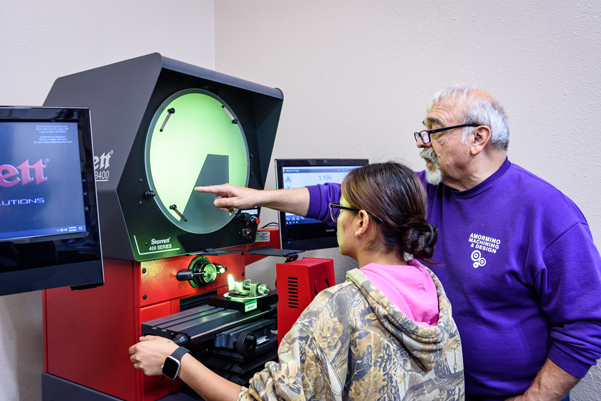
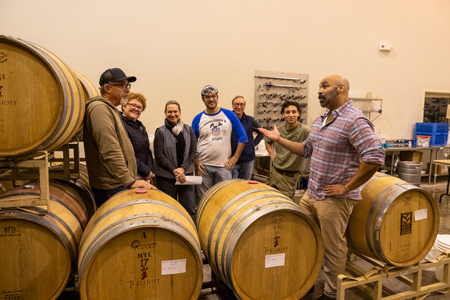
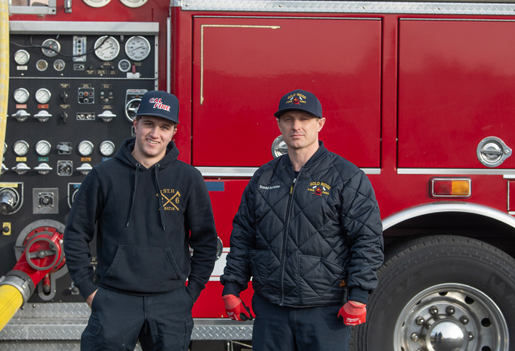
- Recruitment and Hiring
- Job Description – A clear description outlining responsibilities, tasks, and qualifications.
- Application and Interview Process – Students complete the employer’s standard hiring process.
- Supervision and Support
- Assigned Supervisor – A supervisor or manager provides direct oversight and guidance.
- Regular Feedback – Students receive ongoing feedback on their performance and progress.
- Onboarding and Training
- Orientation and Workplace Tour – Students are introduced to the organization and workplace environment.
- Safety Training – Students complete any required safety training before beginning work duties.
- Workplace Structure
- Consistent Schedule and Workspace – Students have a regular schedule and an appropriate workspace.
- Learning or Performance Goals – Clear goals help guide the student’s learning during the internship.
- Learning and Outcomes
Professional Development Opportunities – Internships may include exposure to different roles, departments, or skilled trades.
- Final Feedback – Supervisors may provide feedback at the conclusion of the internship.
- Future Employment Opportunities – In some cases, interns may be considered for open positions.